Water Management
Water Management is a Critical Component of Our Business
Water risk management is integrated into our operational and long-term planning to mitigate and reduce water risks.

Water risk management is integrated into our operational and long-term planning to mitigate and reduce water risks.
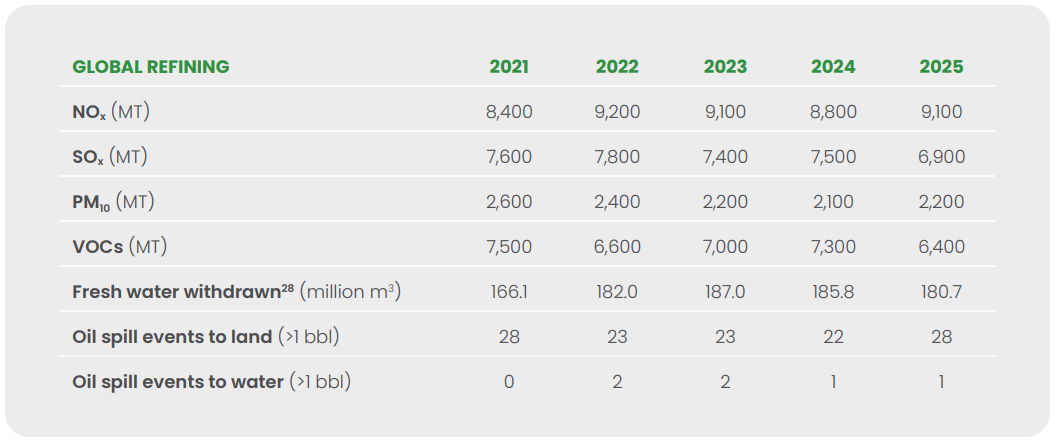
Most of our water consumption takes place in our refining operations, as water is needed for cooling, heating, processing and safety. Based on the World Resources Institute’s Water Risk Atlas tool, Aqueduct, three of our 14 refineries are located in regions with high baseline water stress. Thus, we continue taking a risk-based approach to water management and have focused on exploring water conservation and mitigation strategies, including the evaluation of municipal wastewater reuse and acquisition of secured water rights.
During the past few years, we have taken an active role in the funding and development of treated municipal wastewater projects that would alleviate the potable water scarcity. We continue engaging with local governments, industry associations, suppliers and regulatory agencies to develop innovative solutions in water management, as follows:
Valero Wilmington Refinery - We installed facilities to use treated municipal wastewater to supplement our cooling tower makeup water. We expect to save up to 420 million gallons of potable water per year, equivalent to roughly the annual amount consumed by 3,800 U.S. households.*
Valero Texas City Refinery - Valero is investing in a water reuse project that will provide the refinery with a long-term supply of reclaimed municipal wastewater, reducing reliance on freshwater sources.
Valero Corpus Christi Refineries - We are independently funding, designing and constructing a large-scale wastewater infrastructure project to repurpose city's municipal wastewater for use at refinery operations.
Valero Three Rivers Refinery - We use treated wastewater for use in irrigation for hay production.
Valero McKee Refinery - We recently began operation of a novel Closed Circuit Reverse Osmosis Treatment technology to treat and reuse brine (water with high concentration of salt) instead of freshwater in the cooling tower process, which is expected to replace 25 million gallons of water annually from the Ogallala Aquifer.
Valero Welcome Ethanol Plant - It is one of the industry’s first operators to achieve “zero discharge” of wastewater through the recovery and recycling of process water and stormwater. Our wastewater treatment plants are specialized industrial facilities with complex, multi-stage purification process.
*Based on EPA's WaterSense average U.S. household consumption. U.S. Environmental Protection Agency. (n.d.). How we use water. WaterSense.